
Red Light Therapy: What It Actually Does for Recovery, Inflammation & Healing
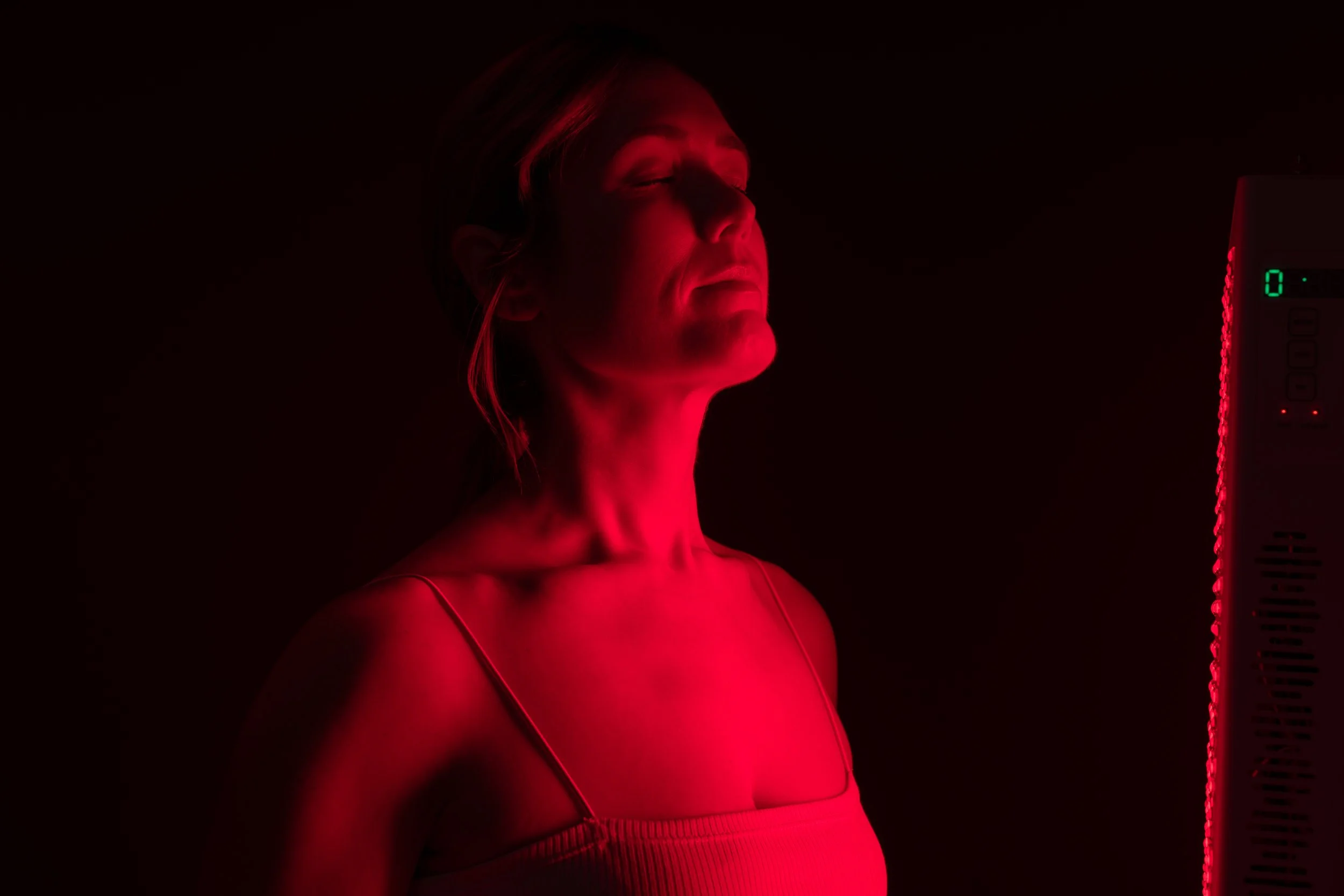
Red light therapy has exploded in popularity over the past few years. Athletes use it. Wellness clinics use it. Biohackers swear by it. And at this point, you’ve probably seen someone wearing a glowing red face mask on Instagram at least once.
But beneath the hype, red light therapy is rooted in something real: cellular energy production. And while it’s not magic, the research behind it is worth paying attention to.
What Is Red Light Therapy?
Red light therapy—also known as photobiomodulation—uses specific wavelengths of red and near-infrared light to interact with the body at a cellular level.
Unlike UV light, these wavelengths do not damage the skin. Instead, they penetrate tissue and influence mitochondrial function.
Mitochondria are responsible for producing ATP (adenosine triphosphate), the primary energy source your cells use for repair and normal function.
In simple terms: when cells have better energy availability, they may function and recover more efficiently.
Why People Use It
Research is still evolving, but current evidence suggests red light therapy may support:
• muscle recovery
• circulation
• tissue repair
• inflammation response
• joint discomfort
• skin health and collagen production
• exercise recovery
• wound healing
It’s gained traction in both clinical and performance settings because it’s non-invasive, painless, and generally well tolerated. There’s also growing interest in its potential role in fatigue, recovery capacity, and nervous system regulation.
Red Light Therapy & Recovery
This is where I use it most intentionally in practice.
The body is constantly adapting to stress—whether that’s training, repetitive movement, long work hours, poor sleep, inflammation, or nervous system overload.
Recovery isn’t just about soreness. It’s about how efficiently the body can repair, regulate, and return to baseline.
Red light therapy can be a supportive tool alongside bodywork, movement, nutrition, hydration, and sleep because it may help support circulation, tissue repair, and overall recovery processes.
It’s one reason you’ll see it used in both professional sports settings and recovery-focused clinics.
What It Feels Like
Most people are surprised by how simple and calming it feels.
Sessions are painless. You’ll typically feel a gentle warmth while lying comfortably and allowing the body to rest.
Some people notice:
• reduced muscle tightness
• less stiffness
• decreased soreness
• improved recovery
• better skin appearance
• a general sense of relaxation
Others notice more subtle, cumulative effects over time. Like most recovery tools, consistency tends to matter more than a single session.
What It’s Not
Red light therapy isn’t a miracle cure. It doesn’t fix everything, and it shouldn’t replace appropriate medical care when needed.
Like most effective therapies, it works best as part of a broader approach. The goal isn’t to chase trends—it’s to use evidence-informed tools in a way that actually supports the body.
Why I Use It at Theda Alchemies
In my practice, I use a Platinum LED panel as part of a broader recovery and bodywork approach.
It’s not about adding more for the sake of it—it’s about using the right tools, at the right time, to support:
• recovery
• inflammation balance
• circulation
• tissue health
• nervous system regulation
• overall resilience
Because lasting results rarely come from one intervention alone. They come from consistent, layered support that helps the body move out of stress patterns and into a state where it can actually recover.
Research & Sources
Research on photobiomodulation continues to grow, with studies exploring its effects on recovery, tissue healing, inflammation, and cellular function.
Sources include:
• NIH National Library of Medicine — Photobiomodulation Therapy reviews
• Harvard Health — Red Light Therapy overview
• Cleveland Clinic — Red Light Therapy research and clinical insights
If you’re curious about how this fits into your body and what you’ve been experiencing, we can explore that together in a session and build from there.
